Executive Affairs Authority Chairman's Preface

As we conclude the activities of the International Advisory Board of the UAE Peaceful Nuclear Energy Program (UAE Program), and as the members of the IAB publish their final report, I wished to seize upon the opportunity to express on behalf of the entire UAE Program our deep appreciation for the IAB Chairman, Dr. Hans Blix, and all the members of his board, who have given so liberally of their time and their expertise to aid the UAE in launching this historic program.
The IAB published its first report in 2010, following detailed briefings and evaluations of the performance of both promotional and regulatory entities within the UAE nuclear energy program. From that point until the present, the IAB has conducted similar reviews and published their findings roughly every six months. Each of these reports, drawing upon the extensive knowledge and background of the board members, made a valuable contribution to the UAE Program in helping us to gain an objective perspective on our successes and our failings. The 16 reports published by the IAB have been very helpful to the UAE Program, particularly as the latter has passed through the seldom-trod phase of beginning a wholly new program.
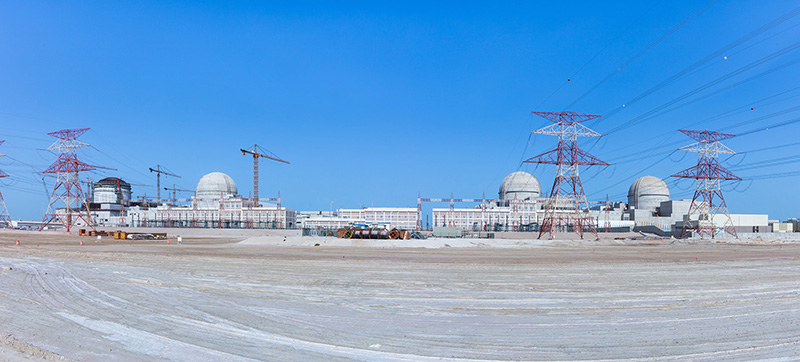
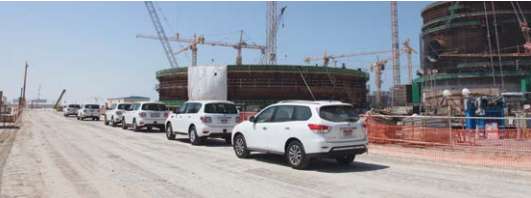
Today, the project at the Barakah Nuclear Power Plant (BNPP), the largest-ever nuclear construction project in the world, is progressing steadily. The overall completion of the project (including all four units) is more than 85%. Once operational, these units will provide safe, clean and reliable electricity to power the UAE economy, all while mitigating more than 21 million tons of carbon dioxide emissions each year.
Internationally, the UAE continues to work closely with the World Association of Nuclear Operators (WANO) and the International Atomic Energy Agency (IAEA) to ensure the highest levels of nuclear safety and quality. International collaboration has been an important part of the UAE Program, as has been demonstrated by more than 3,700 UAE participants in various IAEA initiatives and activities, including hosting the recent International Ministerial Conference on Nuclear Power in the 21st Century.
In another illustration of our commitment to international cooperation, it should be noted that the UAE’s Peaceful Nuclear Energy Program is likely the most diverse and most multicultural in the world, with more than 20% of program staff being made up of women and over 40 nationalities being involved.
Once again, the UAE Peaceful Nuclear Energy Program has been fortunate to have such a distinguished group of nuclear leaders to assist it through this complex launch phase and to help carry it to the current pre-operational stage, where established oversight bodies and mechanisms such as the IAEA and WANO can harness their resources to further assist us in meeting our long-standing aspirations of achieving the highest standards of nuclear safety, security and transparency. We are all grateful to the role of the IAB, and highly recommend it as a potential best practice for other nations considering the adoption of peaceful nuclear energy for the first time.
Chairman's Preface

It is with a sense of fulfilment that I transmit to you the last report of the International Advisory Board on the development of the United Arab Emirates Nuclear Power Program. As always, the report covers the implementation of the five main principles on which the UAE Nuclear Power Program is based on: safety, security, non-proliferation, transparency and sustainability. The Board is confident that all those who are responsible for the success of the program will continue to adhere to these principles.
The UAE nuclear program is nearing the operational phase. Construction of all the four units of the Barakah Nuclear Energy Plant (BNPP) is nearly complete. As of August 31, 2017, Units 1 and 2 were 94% complete and Units 3 and 4 were 68% complete.
This last and sixteenth report of the IAB, discusses a host of items: the updated status of the Barakah NPP, the status of the Operating License, the solution of certain technical issues that were pending from the last meeting, cyber-security, international collaborations, waste management, Sufficient Qualified Experienced Personnel (SQEP), Nawah’s educational program and much more.
Looking back, the Board is convinced of the wisdom of the UAE’s decision to select a fully developed reactor type, which came with a fully engaged seller, and a competitive reactor purchase contract. The Board also concurs in the practice of resolving technical issues as soon as they come up, the practice of recruiting professional female staff and the practice of public outreach.
I would like to thank all the entities for their contributions to our meetings since 2010 and for responding to the Board‘s recommendations. My thanks are also due to my fellow Board members for their continuous attention throughout the past years and for collectively taking responsibility for all the sixteen reports. I am grateful for the privilege to have been a part of this great program and I wish the UAE the best of success as it soon reaches the operational phase.
Introduction
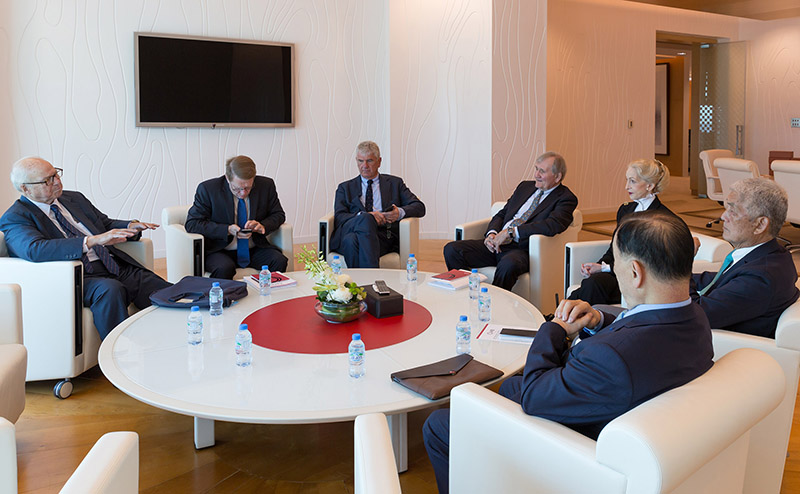
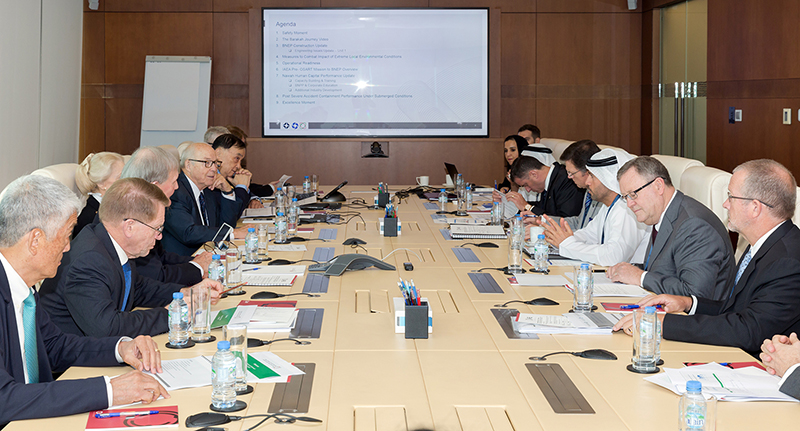
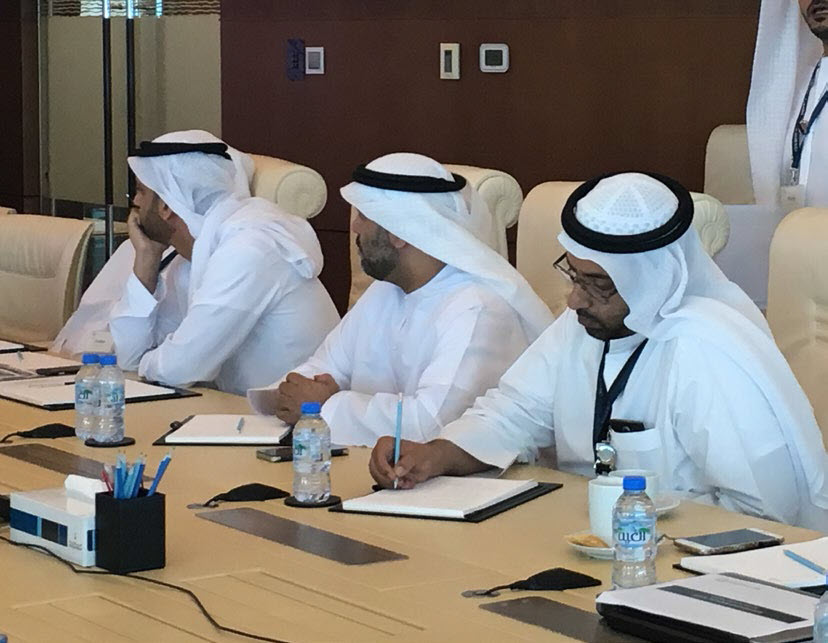
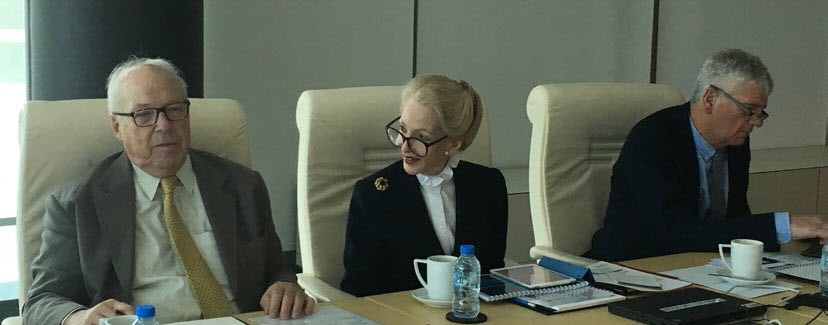
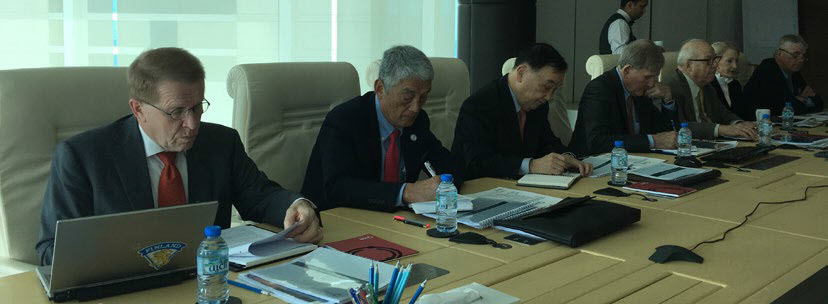
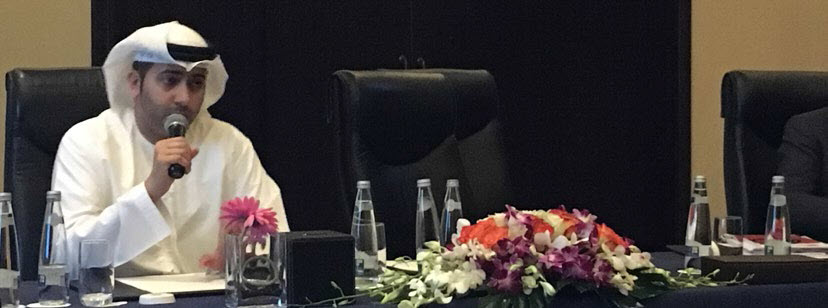
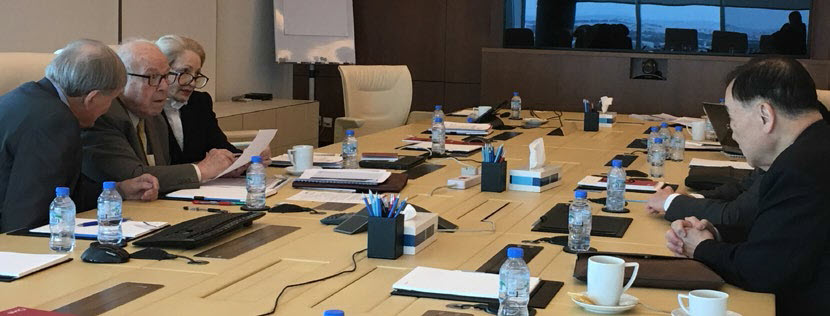
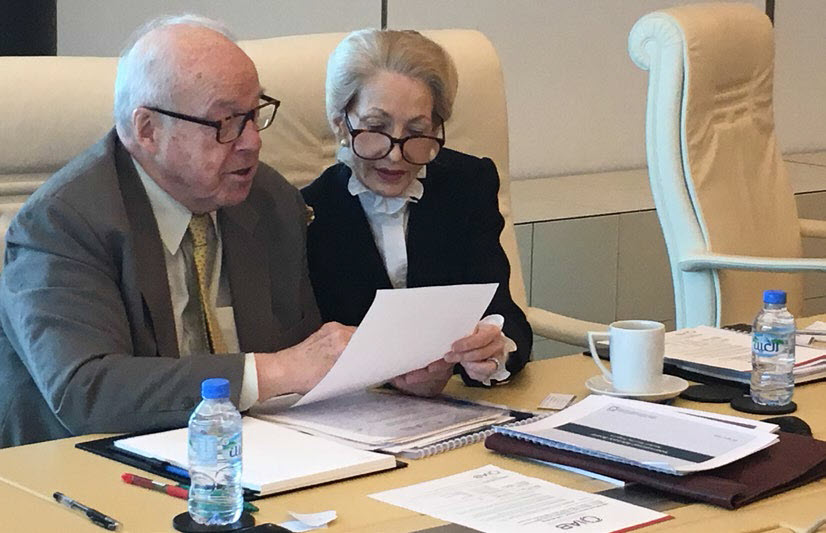
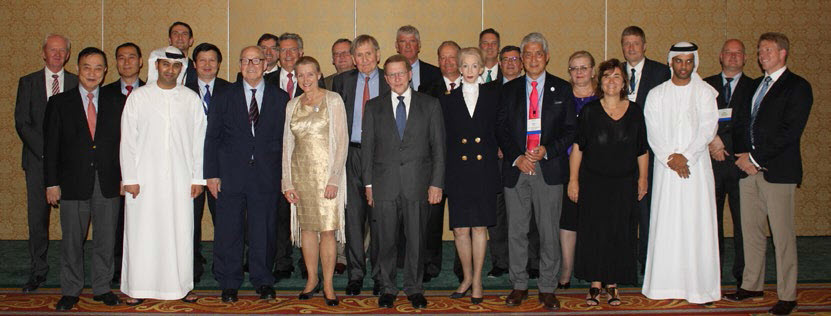
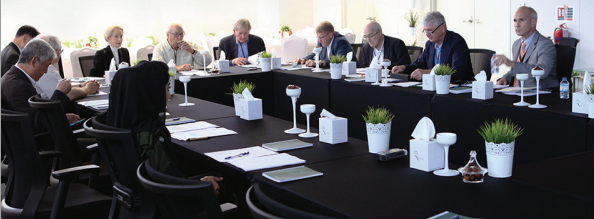
The Sixteenth and final Semi-Annual meeting of the International Advisory Board (IAB) for the United Arab Emirates (UAE) Peaceful Nuclear Energy Program (the UAE Program) was held in Abu Dhabi on October 1-2, 2017. At the beginning of the meeting, on the evening of October 1st, David Scott - on behalf of His Excellency Khaldoon Al Mubarak, Chairman of the Executive Affairs Authority (EAA) - announced that, consistent with the original mandate of the IAB, the Board would be disbanded at the end of this, the Sixteenth meeting.
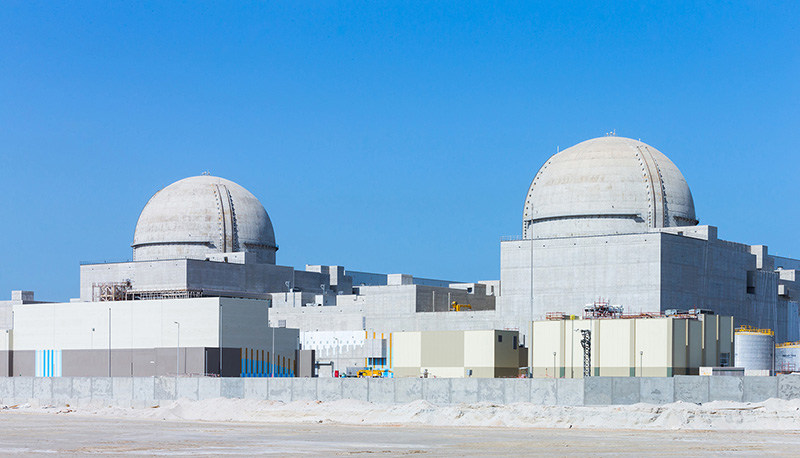
The original mandate of the IAB envisioned that the Board would help lead the UAE program in an advisory capacity, through the technical and political complexities of the concept and construction phases. Construction of Units 1 and 2 is virtually complete and the construction of Units 3 and 4 is far along.
Operations are actively focusing on the process of preparing the infrastructure required to achieve sustained nuclear operations in adherence to the highest standards of nuclear safety, quality and security. The IAB was impressed with the degree of commitment of management to this process.
Operations are scheduled to begin at Unit 1 in the fall of next year, 2018 and at Unit 2 in early 2019. It is estimated that the four reactors will be operating by the scheduled date of 2021.
Thus, the IAB has successfully completed its mandate. The Board is proud of its association with the UAE Program, which is an essential part of the energy future of the UAE and the world community.
David Scott also indicated that the Board would be invited back for one more meeting - a celebration at the time of the commencement of operations - which is hopefully in the near future. That, indeed, will be a great day for everyone - for the energy future of the international community and for the worldwide struggle against climate change.
The Federal Authority for Nuclear Regulation (FANR) conducted the first entity briefing, as per usual, after David Scott’s opening remarks on October 1st 2017. The Director General of FANR began the briefing with an opening statement in which he said that the UAE has created an excellent international regulatory program. He said that, from the beginning, it had been necessary to establish the UAE Program with a considerable emphasis on the quality of production as well as construction. He believed that the outstanding issues were security, safety, and their interaction. There was a need to attract outstanding professionals to the UAE Program, so a sustainable program is built. Chairman Blix thanked him for his introduction and years of support. Several senior FANR officers continued the briefing, including the Deputy Director General.
The briefing by the Ministry of Foreign Affairs (MOFA) was carried out, as in the past, by Ambassador Hamad Al Kaabi. In his briefing, he underscored the superb relationships that the UAE Program had developed with the International Atomic Energy Agency (IAEA). In the view of the Board, this is in no small part the result of the Ambassador’s outstanding work in Vienna.
The following day, prior to the briefing of the Board by the Emirates Nuclear Energy Corporation (ENEC), there was a meeting with His Excellency Khaldoon Al Mubarak, the Chairman of the ENEC Board of Directors and the Chairman of the Executive Affairs Authority (EAA). He commended the Board for their contributions, “We couldn’t have done it without your wise counsel.”
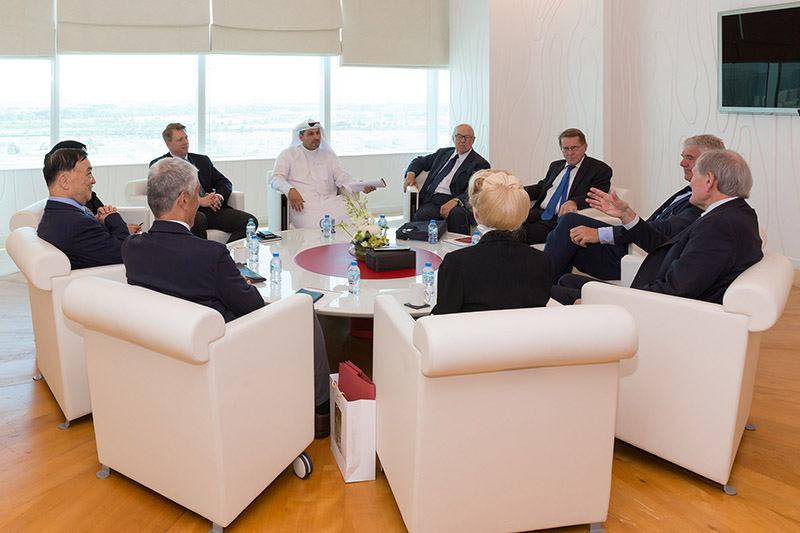
The second part of the meeting took place the following day on October 2nd 2017. The meeting featured a comprehensive briefing by ENEC’s Board and led by the CEO Eng. Mohamed Al Hammadi, the Chief Program Officer (CPO), the Project Engineering Director, as well as several other senior officers of ENEC and its operating subsidiary Nawah, which will operate and maintain the Barakah Nuclear Energy Plant. This briefing was followed by the Board holding its own private discussion, as has been the regular practice.
The UAE Peaceful Nuclear Energy Program is based on upholding the highest standards based on the five principles of safety, security, non-proliferation, transparency and sustainability. The IAB has been responsible for reviewing the UAE Program bi-annually and reporting on how well it has adhered to these principles. The Board is happy to conclude its eight years of service with the statement that the UAE has strictly, completely and enthusiastically adhered to these principles throughout the eight years of the Board’s tenure. The UAE is to be greatly applauded for its outstanding performance in this regard.
Safety
Safety assessment and recommendations
The UAE Peaceful Nuclear Energy Program is a great success story. Construction of the four units of the Barakah Nuclear Energy Plant is nearing completion. As of August 31 2017, Units 1 and 2 were 94% complete, and Units 3 and 4, were 68%complete. The construction workforce is decreasing down to 15,000 from a high of 21,000. Operations are gradually taking control, through a systematic commissioning and turnover program, from construction to systems acceptance. The testing phase is progressing steadily. The conditions that will grant Nawah to proceed with the first fuel load of Unit 1 depends on the receipt of the Operations License (OL) by FANR, and on the work that ensures that the operating subsidiary has the right People, Plant, Programs, Procedures and Processes to safely manage operations at Unit 1.
ENEC is scheduling the complete systems turnover of Unit 1 for operations by the end of 2017, handing over the Unit to Nawah for operational readiness.
In the past IAB meetings, the Board was informed that despite the imminent completion of construction of Unit 1 and the soon-to-occur completion of construction for Unit 2, operations had been, to a certain degree, delayed pending the resolution of two issues. The first was the hiring of sufficient numbers of expert personnel to ensure fully manageable reactor operations and the second was resolution of certain technical issues, for which clear action plans for resolution are being followed.
Operational readiness is moving forward led by Nawah:
- All 46 Program Description documents are complete and self-assessments have been conducted. Twenty-six out of 46 (57%) programs have been inspected by FANR
- All 47 Process Description documents are complete and self-assessments have been conducted. Twenty-six out of 47 (55%) processes are fully complete and ready for inspection
- About 1,200 out of 1,800 (67%) procedures required for Operational Readiness are fully complete and ready for inspection
Since September 2017, Nawah has been taking more control in preparation for the first fuel load by acting as though actually running Unit 1 and having practice meetings, etc. This will enable Nawah to master the Plant infrastructure while awaiting FANR approval of the Operating License. Once the license is approved, Nawah will commence the load of the fuel assemblies into Unit 1 and start the Power Ascension Testing procedure, in adherence to the highest standards of safety and quality.
FANR reported that in order for the OL preparation for Unit 1 to be complete, a few issues need to be resolved and two additional reports need to be released. Since 2010, approximately 115 construction and commission inspections have been completed and five inspections remain to be carried out. With respect to organizational readiness inspections, all Control Room inspections have been carried out except for follow up inspections; four of six Technical Training inspections have been conducted; Procedure and Process Implementation―inspections to determine whether all implementing procedures are in place―three of six “waves” (each “wave” covers approximately ten program process areas) have been completed; the Final Integrated inspections (two or three) which focus on staffing levels and qualifications are not yet scheduled.
Only 40 of 1,746 Requests for Information remain unresolved; 16 of 230 Safety Evaluation Reports (SER) are not yet completed and all but 61 of 346 inspection findings have been closed. The FANR Safety Assessment focused on system designs and operating arrangements is taking into account the unique environmental conditions and hazards on Barakah site (air and cooling water temperature, humidity, sand storms, dust storms). Another area of detailed review and assessment was the containment performance in severe accident conditions: containment integrity and leak tightness is necessary to eliminate the risk of significant radioactive release. The draft OL calls for an interim periodic safety review with the first review to focus on experience of systems function in harsh environmental conditions―scheduled to be conducted in five years. Finally, the IAEA pre-OSART team rendered an overall positive judgment in its report in early October.
Turning to the technical engineering issues, there were four issues since the last IAB meeting that needed to be solved: the issues detected on the Pilot Operated Safety and Relief Valves (POSRV), which are the most safety critical; the requirement for higher performance margins of the Safety Injection Pumps; the Essential Service Water System pipe through wall corrosion, which has been fixed and is only pending regulatory closure; and the requirement for higher performance of the Component Cooling Water Heat Exchanger, which has also been fixed and is only pending regulatory closure. The third and fourth issues were quickly resolved: in the first case by replacing the pipes damaged by corrosion, in the second case by re-manufacturing the relevant heat-exchange plates to make them compliant with their original design specifications. Performance of the Safety Injection pumps was improved by small modification of their hydraulic parts and all pumps passed on retest.
The POSRV issue has been more complicated; the Korea Institute of Nuclear Safety (KINS) reviewed the same problem in Korea at Shin Kori 3 (the reference plant for Barakah) and concluded that the principal problem was the startup sequence, which did not provide even heating of the valve parts. The operator altered the startup sequence and improved the insulation.
In demonstrating their adherence to the highest standards of safety and quality, ENEC/Nawah undertook their own research for the root cause, engaging some of the world’s most reputed experts to address the root cause and draw action plans. An updated report on the issue was provided by ENEC/Nawah to FANR. The startup sequence was modified and improved insulation was added. It was an outcome similar to the one reached at Shin Kori 3. A retest is scheduled for November 2017 and there is considerable confidence that the problem has been solved. It is believed by ENEC/Nawah that they now have a safe leak-free valve, pending the results of the testing; any leakage could be detected by a temperature increase in the pipe between POSRV and the steam relief tank. Replacement of POSRV with devices of a different design is being considered as a long-term solution.
Security
Security assessment and recommendations
The Physical Protection Plan for Barakah is now largely implemented in practical plant arrangements. The principal security issue being focused on now is cyber security. In line with nuclear plants internationally, managing the risk of a cyber-security attack is a priority at Barakah.
- In 2010, Stuxnet destroyed 1,000 centrifuges in the uranium enrichment facility in Nantanz, Iran
- In 2012, Shamoon wiped out 35,000 computers at Saudi Aramco led by a group of hackers calling themselves the Syrian Electronic Army
- In 2017, Ransomware operating in the U.S. caused thousands of critical systems in hospitals, manufacturing facilities, and government systems to be held hostage by malware encrypting their data
The objective of cyber security is the protection of equipment systems and networks against cyber-attacks that would impair safety, security or emergency preparedness. The necessary FANR regulation system is in place. The FANR regulations take into account the approaches proposed in the IAEA security guidelines and in the U.S. Nuclear Regulatory Guides. The list of Cyber Security Milestones is extensive:
- Establishment of Cyber Security Assessment Team (CSAT)
- Identify Critical Systems (CSs) and Critical Digital Assets (CDAs)
- Installation of a protective device between the lower and the higher level devices in the security defensive architecture
- Protections against hazards caused by portable media and mobile devices
- Cyber tampering―insider mitigation rounds
- Apply cyber security controls to a select group of CDAs
- Ongoing monitoring and assessment of applied cyber security controls
- Full implementation of the Cyber Security Plan for all SSEP functions
FANR’s recent steps for implementation of cyber security included: an inspection at Westinghouse Office (USA) in December 2016, a supplier for IT and I&C Systems was conducted to verify the implementation of the cyber security protection strategy for Barakah Nuclear Energy Plant; there was a review of the ENEC Cyber Security Program Manual Revision 4; and the implementation schedule of milestones was established in December 2016. This led to an agreement to undertake an inspection at the Barakah Plant from October 29th to November 2nd, 2017, of the implementation of the protection strategy for the CDAs at Unit 1.
Non-proliferation
Non - proliferation assessment and recommendations
In his briefing, Ambassador Al Kaabi stressed the continuing importance of the UAE’s relationship with the IAEA. He emphasized the importance of formulating IAEA support for the transition to the operational phase of the program, as well as research and development and sustainability for the long term. The Ambassador underlined the importance of sharing the UAE experience as a model for other countries. This is something that the UAE has had in mind from the beginning. There is an IAEA Collaborating Center at Khalifa University in the UAE. The UAE, in part through its work in international agreements and conventions in the nuclear field, is becoming a major player in international nuclear cooperation.
In Abu Dhabi, the IAEA International Ministerial Conference for Nuclear Power in the 21st Century was organized for October 2017 by the IAEA and hosted by the UAE Ministry of Energy in collaboration with FANR. This will be the 4th International Ministerial Conference on Nuclear Power in the 21st Century as well as the fifth high-level conference to be hosted in the UAE. It will enable:
A dialogue at high ministerial and international expert level on the role of nuclear power in meeting future energy demand, contributing to sustainable development and addressing climate change; discussions on the main issues related to the development of nuclear power in the form of presentations, and local and international panel discussions.
In addition, there have been three International Convention meetings of importance in 2017:
- The Third Extraordinary Meeting of the Contracting Parties to the Joint Convention on the Safety of Spent Fuel Management and on the Safety of Radioactive Waste Management in May in Vienna, Austria
- The Seventh Review-Meeting of the Convention on Nuclear Safety (CNS) March in Vienna, Austria; and
- The conclusion of the Subsidiary Arrangement to the IAEA-UAE Safeguards Agreement
Since 2010, the UAE has carried out significant capacity building at the IAEA. This includes more than 3,700 participants from the UAE and since 2010, more than 780 women.
Since 2011, there have been more than 300 activities by the UAE with the IAEA, focusing on safety and security, and more than 50 UAE experts were involved in 40 IAEA activities.
Since January 2011, the UAE has received nine major IAEA peer-review missions and has always received a positive report. These missions include the Emergency Preparedness Review Service (EPREV) in March 2015; International Physical Protection Advisory Service (IPPAS) in October 2016; and pre-Operational Safety Review Team (OSART) in September 2017. The pre-OSART mission was still in country during the October 1-2, 2017 IAB meeting.
The UAE has completed Phase 3 of the IAEA Milestones approach, fulfilling all 19 milestones to develop the required nuclear infrastructure: national position; nuclear safety; management structure; legislative framework; regulatory framework; financing; human resources development; safeguards; security and physical protection; emergency planning; radiation protection; nuclear fuel cycle; nuclear waste; environmental protection; site and supporting facilities; industrial involvement; procurement; electric grid; and stakeholder involvement.
Policy of the UAE regarding the Long-Term Management and Disposal of Spent Nuclear Fuel and Radioactive Waste
FANR has prepared a digest of the Cabinet Policy contemplated in Article 41 of Federal Law by Decree No. 6 of 2009 (the “Nuclear Law”). It remains under consideration by senior officials.
Radioactive Waste from other sources will be managed by the UAE along with waste from nuclear energy plants.
With respect to used fuel assemblies, options will include:
Direct disposal in the UAE with alternatives of reprocessing outside of the UAE, fuel leasing or international geological repository.
Low-level operational waste will be disposed in an engineered near-surface low-level waste repository. Higher-level waste will be shifted to deep geological disposal.
Decommissioning waste will be disposed in suitable repositories in the same way as operational waste.
The design of the Barakah Plant spent fuel storage pool provides sufficient capacity for 20 years operation for each unit. ENEC and its affiliates plan to establish an independent spent fuel storage waste allocation before the spent fuel storage pool reaches capacity.
The Low and Medium Level Radioactive waste storage building at the Barakah Plant provides sufficient storage capacity for 10 years for low-level waste and intermediate-level waste produced from the operations of the four units that comprise the Barakah Plant.
The Nuclear Law requires the UAE Cabinet to establish a decommissioning trust fund pursuant to the recommendation of the FANR Board. A draft Cabinet Resolution to establish the Fund has been submitted to the FANR Board for consideration. It proposes that: The Fund is established as a Federal entity that will operate in accordance with FANR regulations, which will be managed by a Board of Management appointed by the Cabinet.
Transparency
Transparency assessment and recommendations
The UAE since its inception of its Peaceful Nuclear Energy Program has been committed to full transparency and remains so to this day. There have been many public presentations and workshops connected with the Program over the years. These continue in all the principal cities and towns of the UAE and the UAE public has never wavered in its strong support of the Program.
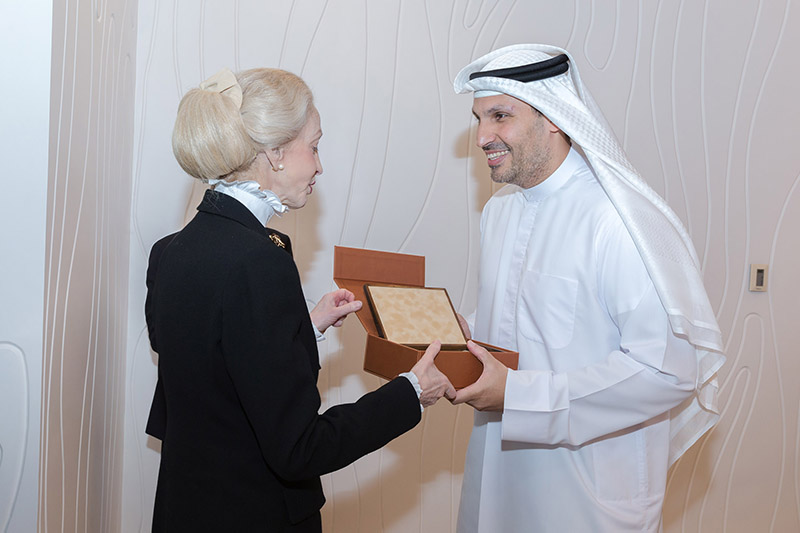
The existence of the IAB, an international board to monitor the Program’s commitment to excellence and the five principles of safety, security, non-proliferation, transparency and sustainability is an unprecedented commitment to transparency. The Board has published a bi-annual report on the performance of the UAE in developing its program pursuant to these principles for eight years now. This report is publically available so that the world community remains fully aware of all that the UAE is doing in regards to peaceful nuclear energy.
In addition, the UAE in the evolution of its Peaceful Nuclear Energy Program has developed close relations with many relevant international organizations and parties; particularly the IAEA. The IAEA has sent nine major review delegations to the UAE. The UAE will shortly host an IAEA International Ministerial conference and, under the leadership of Ambassador Hamad Al Kaabi, the UAE has become one of the most influential members of the Agency.
Sustainability
Sustainability assessment and recommendations
FANR has built over the years an independent, highly effective regulatory body. It is a credit to the UAE. FANR is a great success story - its expertise is respected everywhere. As one of its first tasks, FANR has developed a comprehensive set of national nuclear safety regulations that give a sound basis for importing and constructing nuclear energy plants. These will serve as guidance also for the future needs and the status of its human resources as reported effective September 27th 2017 is impressive. The total workforce was 215 and of these 38% were women, which at nearly 40% is probably the highest in the world for a national nuclear regulatory body. Of the 215, 138 were UAE Nationals which is a solid 64%. The remainder were very experienced expatriates from a large number of countries that have advanced regulatory frameworks. These expatriates, jointly with the UAE Nationals, have developed an “Emirates Model” for licensing and regulation.
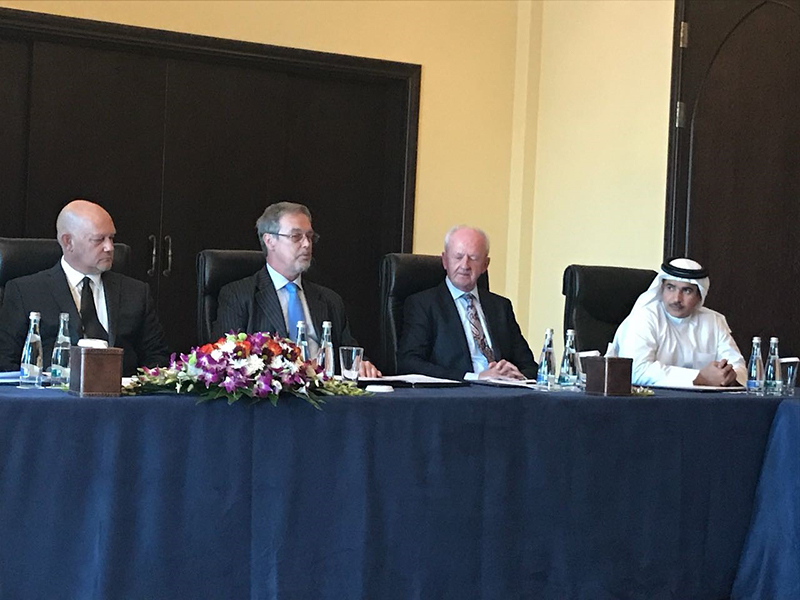
ENEC as an organization, under the leadership of CEO Eng. Mohamed Al Hammadi, has also done an outstanding job in leading the UAE Peaceful Nuclear Energy Program from its very earliest stages to the edge of the commencement of operations. It has long been planned to turn the operation of the reactors over to ENEC’s majority-owned subsidiary, Nawah, which is a multi-national, multi-cultural Emirati-led company. The current head count of Nawah: by gender: 84% male and 16% female - an excellent result with many women slated to be part of the reactor operation teams; by nationality: 51% UAE Nationals; 16% North American; 16 percent South Korean; 19% others; and according to Emiratization, 51% are UAE Nationals and 49% expatriates. At present, 134 places in the Nawah work force plan are reserved for South Korea under a KEPCO secondment agreement for the Operations Support Services (OSSA) Program.
As reported in recent IAB reports, one of the two principal issues delaying progress to operations for Unit 1 was the need to augment the quantity of Sufficient Qualified Experienced Personnel (SQEP) throughout nuclear operations, to provide the work force strength to operate the reactors with complete confidence. ENEC believes it is proactively addressing this, and that the Corporation is focusing on ensuring that Unit 1 is fully resourced with the right Plant infrastructure, People, Programs, Processes and Procedures. Once that is achieved, the operating personnel will commence a series of familiarization processes to master the Plant, as well as Stress Tests, to ensure plant personnel are fully competent, trained and certified to assure long-term reliable operations.
For Power Block Unit 1: Positions-1004; Filled-790; Reserved for OSSA-86; Vacant-128.
For tasks outside Power Block: Positions-806; Filled-441; Reserved for OSSA-48; Vacant-317.
Therefore, the total vacant positions were 445. This includes full resources for Unit 2 and partial for Units 3 and 4. In 2017, Nawah recruited 373 employees and the completion of the KEPCO secondment agreement in October meant that the 134 places agreed to OSSA personnel would be recruited from Korea. ENEC believes that it can continue this successful recruiting permitting the commencement of operations at Unit 1; and Unit 2 will not be far behind. South Africa has a national nuclear program that has faced a significant slowdown, thus South Africa has been a good location for recruitment for Abu Dhabi, as many talented professionals in South Africa no longer have the job opportunities there that they once had.
Nawah continues its educational program both pre-employment and in-house. The brief list below conveys the extent of the program:
- The mainstream scholarship program: Students enrolled in bachelors or masters programs that are pursuing nuclear engineering as their major and some who are taking a minor in this subject. Included is the expectation of working at Nawah/ FANR/ENEC upon graduation. There are 284 students who have graduated from this program and 146 who are still in school.
- The dual education/training program. This mixes on-the-job training with university courses. 51% of the training and education is at Nawah and 49% involves academic courses. The result is a Higher Diploma in Nuclear Technology; 143 students have completed their course of study and 90 are students in the program.
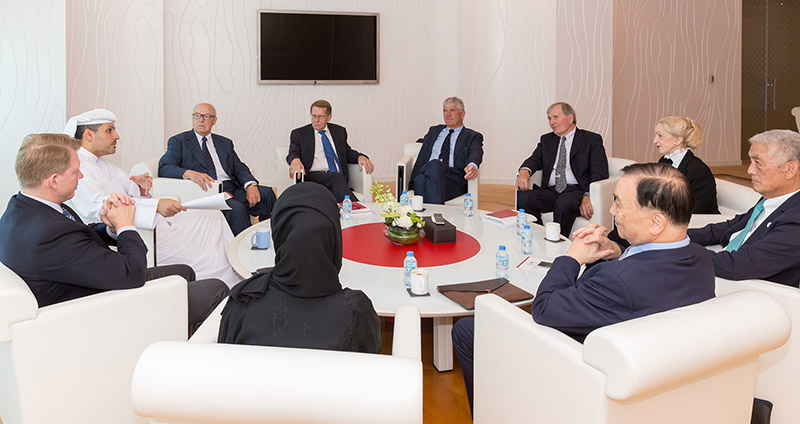
There is an induction program delivered to all incoming personnel with an emphasis on the Culture of Safety, Nuclear Safety and Security, and Cross-Cultural Communications. In 2016, 750 employees received this training; in 2017 to date, 1,011 employees have received the same training.
Nawah corporate education provides 40 soft-skills courses to enhance Nawah core competencies. In 2016, 532 took these courses and in 2017, there were 294 in the courses with 250 more registered but have not begun.
Nawah nuclear leadership training continues in-house, based on nuclear industry standards. There have been 139 who have completed this program and 141 enrolled in the course. Lastly, 41 employees have completed the Westinghouse Management Senior Reactor Operation Equivalence course over the years. Thus, it can be concluded that ENEC/Nawah remain committed to continuing education and this bodes well for the future.
Conclusion
The Board found the final round of updates quite encouraging. FANR is doing well and has developed into an outstanding independent regulatory organization. MOFA, representing the UAE, continues to play the role of one of the truly important countries at the IAEA and its mission as symbolized by the IAEA International Ministerial Conference to be held in Abu Dhabi at the end of October 2017.
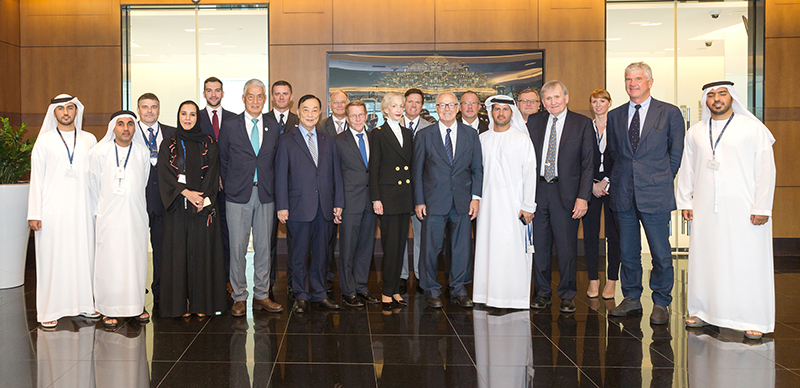
The five principles of the UAE Program have served it well: safety, security, non-proliferation, transparency and sustainability. It is important that the UAE continues to adhere to these principles for the indefinite future and the Board is confident that the UAE will continue to do so. In the future, the UAE should also pay close attention to potential cyber-attacks. The Board believes that, to a large degree, cyber war represents the face of future conflicts. However, the UAE should always remember that the UAE Program represents a path that many other countries should follow if the threat of climate change is to be overcome.
Looking back over the past eight years, the Board believes that there is much that it and the UAE should regard with satisfaction. In its very first report, the Board took note of and agreed with the intention of the UAE Government that some of its very first steps in developing the Program should emphasize the commitment of the UAE Government to total transparency in all aspects of the Program. Indeed, the establishment of the IAB itself with a bi-annual public report on the adherence of the Program to the five principles was an important act of transparency in and of itself. In addition, the IAB strongly supported from the start FANR’s intention to be a fully independent regulator, something that is reassuring to both the nuclear industry and the public.
Shortly after the third IAB meeting in March 2011, the Fukushima Daiichi nuclear accident took place following one of the largest earthquakes ever recorded along the east coast of Japan and the ensuing tsunami that struck the east coast of Japan. The UAE responded immediately, FANR established a Fukushima task force and tasked ENEC to prepare a comprehensive report on lessons learned from the accident. An interim report was made available to the IAB in its fourth meeting in the fall of 2011. The Board wanted to know the degree of vulnerability of the APR 1400 to earthquakes at the Barakah site, high water levels in the Gulf, and the extent that the planned elevation of the reactor and other safety critical features should be reevaluated. The initial ENEC response was that the nearest that an earthquake of the severity of the one that struck the east coast of Japan in March could occur was off the western coast of the Indian subcontinent. The resultant tsunami would have considerable distance to travel to the Gulf area and then would have to pass through the narrow straits of Hormuz.
These facts ensured that any tsunami threat in the Gulf would be much reduced and would be well within the safety elevation of the Barakah site. Likewise, a cyclone at a time of high tide was estimated to be well within the safety margin. Earthquakes are virtually unknown in the Arabian Peninsula and there is little historic susceptibility to earthquakes in the Gulf itself. There is a history of earthquakes in Iran but far away from the UAE.
At the fourth Board meeting, speaking for the government, Ambassador Hamad Al Kaabi delivered the official response as to how the Fukushima accident might affect the UAE Peaceful Nuclear Energy Program. He noted that after in-depth consideration, the Government had “… decided on no change to its policy on nuclear power for the Emirates and that the results of a recent public survey indicated that 85% of the public supported nuclear energy for the UAE. The government will, however, incorporate any lessons learned from Fukushima”. ENEC was asked to conduct a review of the reactor design in light of the accident. The government followed closely related international action, particularly at the IAEA, and specifically with respect to additional regulations for operation and industry.
At the same IAB meeting, FANR presented its plan to monitor international reactions at the IAEA and among regulators in other countries. ENEC presented in its interim report on reactor design, delivered at this IAB meeting, proposals for possible adjustments to the Barakah reactor installation, mentioning watertight doors, additional auxiliary power generating locations to ensure that electric power will always be available for the site and steps to minimize the effect of sandstorms. The overall and final assessment on safety, following its interim report, submitted at the fourth IAB meeting, was submitted to FANR by ENEC on December 30th 2011. A copy was delivered to the IAB Board in February 2012 before the fifth IAB meeting.
The ENEC safety report did not identify any design deficiencies in the APR 1400 similar to those that were the major causes of the accident in Japan. However, ENEC did identify other design features and additional measures to increase the robustness of the Barakah Nuclear Energy Plant to prevent or cope with the potential consequences of severe natural events. ENEC confirmed its earlier conclusion that earthquakes and flooding do not represent significant dangers. Sand storms and dust storms are expected to be present periodically at Barakah, which represents a more significantly probable threat than earthquakes or high water; however, the plant has been designed with several layers of defense against sand storms/dust storms. Fire, explosions and oil spills have to always be guarded against; and loss of electrical power, ultimate heat sink and severe accident management are important areas for review. The UAE set up its own internal process to monitor the implementation of the IAEA safety action plan. FANR conducted its own review to distinguish between those issues that need to be resolved prior to the issuance of the construction license and those - such as mitigating design changes - that would be introduced in the course of construction. Together, working with the Board, ENEC and FANR carried out a complete review of the project after Fukushima - introducing valuable design modifications - and generally leaving no stone unturned to achieve the highest possible level of confidence. It was a model of how a significant crisis should be addressed and resolved.
The UAE decision to select a fully developed reactor type which came with a fully engaged seller and a competitive reactor purchase contract has always been supported by the Board. The Board recommends a continuation of this process if there is a decision later on to acquire additional nuclear energy reactors. Having a contract with a partner that can make a reference plant available is also a big plus.
It is very important, in the Board’s judgment, to address and resolve technical issues as they come up - as ENEC has been doing. If a program leaves difficult technical issues to be resolved at the end, this could result in programmatic delays of many months. During the entire construction period, the project management team has demonstrated a strong safety culture: in the event of quality concerns, the conduct of work has been stopped until proper corrective actions have been taken to respond in full to the concern.
The UAE has been committed to public outreach from the earliest days of the UAE Program. Many workshops and public presentations have been held. The Board urges continuance of this Program - not least because it is one of the five Basic Principles.
Lastly, in this part of our discussion, we want to mention the role of women in the UAE Peaceful Nuclear Energy Program. From the very beginning, the hiring and advancing of women in the UAE Program is something that was urged upon the UAE by the IAB. We were ‘pushing on an open door’. The Program has done a superb job of bringing women into the work force and training them, at all levels, to fulfil high-level positions. The UAE Program has one of the highest percentages of women of any nuclear program in the world. And this is not just in management offices but in the field as well. There is a significant number of trained UAE National women preparing to be Reactor Operators and Senior Reactor Operators on the ground at Barakah. As capable young women are attracted to the UAE Program, this doubles the potential workforce for the nation in developing and utilizing the Program.
Dr. Kunmo Chung requested that the following important remarks be included in this report, and this is endorsed by the other members of the Board:
- The reference plant of Barakah units, Shin Kori 3, has been running successfully since it started operation in December 2016. Its sister plant, Shin Kori 4 is getting ready for its operation. As of now, Barakah Unit 1 is expected to start its operation in the fall of 2018, whereas Barakah Unit 2 is expected to start its operation in early 2019. All four units will be operating by 2021 thus meeting the original project schedule. Such expectation is based on successful adjustment of systems operations and tuning of components. IAB commends the productive technical collaboration among ENEC, Nawah, FANR and Team Korea.
- The IAEA Ministerial Meeting held at UAE in late October, 2017 noted the successful collaboration and execution of the Barakah project by the multi-national project team. In view of the Paris Agreement on global warming and climate change, the large and successful Barakah project takes on special importance and deserves global attention and will be a major policy initiative affecting many nations. The parties of the UAE nuclear project should consider enhancing their public acceptance activities.
- The EU APR1400 Standard Design passed the European Union Requirements (EUR) by Western European Nuclear Regulators Association (WENRA) in the Fall of 2017. EU-APR meets the latest European technical standards, recommendations of EU Stress Test in addition the WENRA requirements.
- The USNRC proceedings of APR1400 Design Certificate are progressing on schedule. The NRC Staff is completing its review of the Safety Evaluation Report and the USNRC ACRS will review the Final Safety Evaluation Report by June 2018, The Report will be published in September 2018.
These reviews and certifications were recommended by the Barakah project plan and its successful execution should be regarded as a success of the UAE Barakah project. - Following the recommendation by the UAE Barakah project planning team, KEPCO established a unique graduate educational institution, KEPCO International Nuclear Graduate School (KINGS), to train NPP professionals at the site of Shin Kori 3 & 4. One half of the students came from nations intending to have nuclear power generation, the other half from Team Korea institutions. KINGS is oriented to train committed professionals in nuclear energy development using project-based team teaching - team learning method. KINGS also pioneered cross-cultural networking. KINGS is expected to graduate its fifth class of Masters Course in February, 2018. More than 25 KINGS graduates are actively working on the Barakah project as senior professionals. KINGS, an associate program of the Barakah project, should make positive contributions to the global nuclear electric power program in the coming years.
- The Barakah project is a product of a first time NPP exporter (Team Korea) and a first time NPP constructor/owner (UAE) with the help of IAEA, IAB and individual experts from experienced nuclear organizations.
It is a truly global project and a successful one. The Barakah project is the ‘Largest On-Time, Within-Budget and Quality-Assured NPP project’. In view of the experience of the previous NPP projects, the UAE Barakah Project is certainly a successful milestone for the clean, environmentally acceptable energy projects. The Gold Standards will also be global standards for nuclear power projects in the coming years. For the IAB members, participation in this project has been an exciting, encouraging, and invigorating experience.
The International Advisory Board in leaving the scene does so with a great sense of personal satisfaction. This is the first new build nuclear energy program in over 30 years and its advent could not be more timely. The world community faces the gravest and most dangerous threat it has ever faced since the dawn of civilization - the advent of catastrophic climate change. Civilization faces a long and difficult battle over decades and the UAE Program will be at the forefront of this struggle. The success of the UAE Program will be essential as part of a successful effort against climate change. And now let the Board, this one last time, congratulate the UAE on the continued success of the UAE Peaceful Nuclear Energy Program and confirm that it finds that the country, through its program, has remained and continues to remain fully committed to the principles of safety, security, non-proliferation, transparency and sustainability.








 In November 2012, ENEC and KEPCO representations to FANR indicated that only Certificate of Conformance issues for operating NPPs were affected and no concerns were indicated for plants under construction. However, the December 2012 revelations indicated problems with respect to plants under construction. A supplier, who is listed on the Barakah approved safety related suppliers list, was involved and a forged Seismic Qualification (not a Certificate of Conformance) was disclosed.



 Before the briefings began, Ambassador Graham asked the Chairman for the floor. For the record Ambassador Graham stated that: "The United Arab Emirates nuclear power program started and shortly after the program, the Global Financial Crisis commenced and months before breaking ground for the first reactor there was a severe accident at Fukushima Daiichi nuclear power plant. Yet with all of this the program remains on schedule with continued full commitment to the principles of safety, security, non-proliferation, transparency, and sustainability. This deserves world-wide recognition and commendation." Other members of the Board associated themselves with this statement.
 The new FANR Board of Management which was appointed on March 10, 2013 for a term of three years was mentioned. The Board chairman remains Dr. Ahmed Mubarak Al Mazrouei with four of the nine Board members being new. The Board will continue its practice of meeting every other month. For ensuring coordinated and professional planning of preparedness for radiological emergencies FANR has established regular co-operation with the National Emergency Management Authority. Coordination is provided through meetings of the joint Steering Group of the two Authorities.
 Based on the review of the first submissions on the Barakah severe accident design features, FANR staff found that the design of Barakah Units 1 and 2 met regulatory requirements. However, in the analysis of potential severe accident scenarios FANR identified a number of areas of improvement that warranted a comprehensive review of the SAAR. For example, there were quality issues where incorrect information or insufficient justification was provided in the submission and the containment performance analyses are done assuming a basaltic type of containment concrete while limestone is being used in construction at Barakah. This requires confirmatory analyses for limestone. In addition, ENEC has committed to a number of further design and procedural enhancements arising from the safety assessment of lessons learned from the Fukushima accident. FANR will continue to evaluate the revised SAAR and future, submissions to verify the strength of the Barakah NPP against severe, low-probability events.
 In addition, Dr. KunMo Chung discussed the importance of – Configuration Management (CM) - The process of identifying and documenting the characteristics of a facility's structures, systems and components (including computer systems and software), and of ensuring that changes to these characteristics are properly developed, assessed, approved, issued, implemented, verified, recorded and incorporated into the facility documentation (IAEA TECDOC-1335).
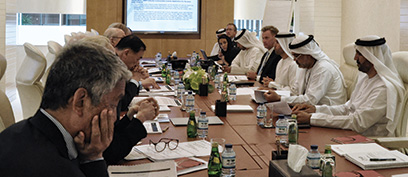 In its presentation FANR reported on the status of the Physical Protection Plan (PPP) for Barakah NPP. Revision 1 of the PPP, submitted in August, 2011, which provides for an overview of the entire physical protection program for all three phases, including the operation phase, was approved as part of the CLA for Units 1 and 2. The PPP Construction Phase 1 (before the installation of any facilities important to safety) was submitted in December, 2011 and has been approved. The PPP Construction Phase 2 (before the first arrival of nuclear fuel) for Units 1 and 2 was submitted in April of this year. The PPP Construction Phase 1 as well as inspections which are scheduled for 2013 will focus on: the protection of sensitive nuclear information; access control and physical barriers; the Cyber Security Plan; and organization and training.
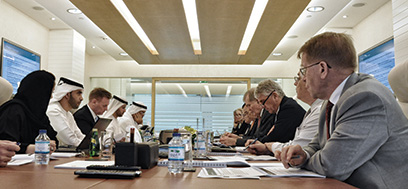 Briefing on non-proliferation area was made by Ambassador Al Kaabi. The Chairman asked Ambassador Al Kaabi if he would describe the international group of ten countries which is actively supporting non-proliferation and disarmament initiatives that the UAE has joined. Ambassador Al Kaabi responded that the group was composed of countries that are especially interested in these issues which in addition to the UAE include: Chile, Mexico, Germany, Japan, Australia, Canada, Poland, Turkey, and Netherlands. Their central objective is to support the complete implementation of the action plan adopted at the 2010 Non-Proliferation Treaty Review Conference which, among other things, emphasizes complete transparency in nuclear matters by the NPT nuclear weapon states. The Chairman asked about the 2010 Review Conference undertaking to hold a conference on the Middle East nuclear weapon free zone issue. Ambassador Al Kaabi noted that the Conference was not held as scheduled, and no new date is determined as of today. The failure to convene the conference led to much frustrations especially among Arab NPT members who are calling for a new date for the conference. The Group also supports, among other things, a Fissile Materials Cut-Off Treaty.
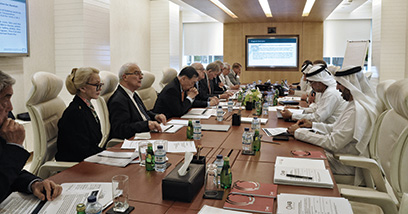 Today the relationship of the UAE with the IAEA with respect to the UAE nuclear program is characterized by: close cooperation in implementing international agreements; receiving assistance and advice from IAEA experts and requesting peer reviews; and close partnership with the IAEA in their work related to the UAE nuclear power program. As has been said many times the UAE wants its nuclear power program to be a model for the international community and this is part of that effort. There have been an increasing number of UAE participants in IAEA technical cooperation events. There were 111 in 2010 increasing to 440 in 2012 and the number of UAE national institutions participating increased over the same time period from six in 2010 to 30 in 2012. There also has been an intensive engagement by UAE personnel on IAEA committees, commissions and Working Groups with a special focus on activities related to the strengthening of nuclear safety and security.
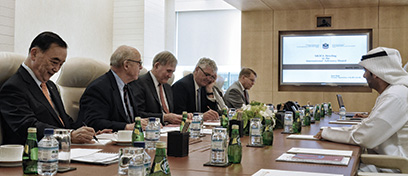 Ambassador Al Kaabi noted in his presentation that five years had passed since the April 2008 policy announcement which marked the official start of the UAE nuclear power program. Since that time the UAE had undertaken many commitments related to the program and pursuant to these commitments: has adopted important legislation, has concluded all relevant international agreements, and is keeping nuclear power plant construction on schedule.
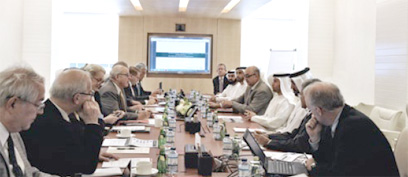 The Federal Authority for Nuclear Regulations (FANR) Director General, Dr. William Travers, along with other senior officials, briefed the board on the major areas regarding the UAE nuclear power program. The major topics discussed included the plant's construction license, which in July, 2012 granted the operator Emirates Nuclear Energy Corporation (ENEC) to pour of the first concrete for Barakah Unit 1 reactor building on schedule. Furthermore, FANR officials also briefed the Board on nuclear security, nonproliferation, emergency planning and waste management, capacity building and outreach to the public. Subsequent to FANR's briefing, Ambassador Hamad Al Kaabi followed by a briefing on behalf of the Ministry of Foreign Affairs (MOFA). The subjects addressed by the Ambassador consisted of the implementation of relevant international agreements, progress on a national nuclear liability regime, and the national strategy for nuclear waste management.
 In its internal discussion the IAB noted that the UAE is the only "new entrant country" that has made concrete progress in starting construction on a Nuclear Power Plant (NPP) since the expectations on a "nuclear renaissance" prompted tens of countries to indicate similar intentions. The approach taken by the UAE on how it prepared and announced its plans from the early beginning is proving to be a good model for other nations to emulate when pursuing a new nuclear power program.
 According to the IAB members, the Safety Evaluation Report written by FANR to support the decision on the Construction License is a remarkable document. It includes a section of background information on the nuclear energy program in the UAE and the regulatory framework as well as a section on licensing review methodology. The summary of the review findings and conclusions includes chapters on: site characteristics, design of structures, components, equipment and systems, the reactor, engineered safety features, the initial test program, radioactive waste management and a number of additional subjects. Moreover, the report included assessments of the Probabilistic Risk Assessment (PRA), and the Severe Accident and Aircraft Impact Assessments. The Fukushima Lessons Learned Report and supporting documents were also provided in the report.
 With respect to radioactive waste / radiation protection FANR noted the additional low and medium level radioactive waste building and found that offsite doses to individuals are expected to be a small fraction of the approved limit, and the dose to plant operators is estimated to be acceptably low. With regards to the safety analysis, FANR noted that the Shin Kori's 3 and 4 Preliminary Safety Assessment Report (PSAR) did not contain a Severe Accident Analysis or a Probabilistic Risk Assessment (PRA), while the Barakah PSAR does include a PRA. FANR concluded that the ability of the plant to mitigate the consequences from design basis accidents has been demonstrated before and that the severe accident analysis adequately supports the relevant accident management strategy for such mitigation.
 The cement basemat incident turned out to be an important lesson to all parties involved in the Barakah construction. It demonstrated the safety culture expected by the ENEC management and the importance of following the approved plans. ENEC also emphasized to KEPCO that quality must come before schedule. According to the staff from the construction site management, the team spirit and commitment towards achieving the highest possible standards of safety and quality increased among the workers as a consequence of the incident.
 On August 15, 2012 following a year-long nuclear fuel tender, ENEC announced the awarding of Enriched Uranium Product supply contracts to six international firms for the plants first 15 years of operations. The firms are: Converdyn (United States); Uranium One (Canada); URENCO (United Kingdom); RioTinto (United Kingdom); TENEX (Russia); and AREVA (France). Mr. Jacques Bouchard noted that the program will have a large capacity for fresh fuel storage. He suggested that later the UAE might want to consider building a fuel fabrication facility. ENEC replied that there is no intention to consider a fuel fabrication facility at this stage. On September 6th, the U.S. Export-Import Bank approved a 2 billion dollar loan to an ENEC subsidiary to support the purchase of equipment, services and training from Westinghouse Electric Company.
 In addition, the UAE deposited instruments of accession to join the 1997 Vienna Convention on national nuclear liability and the Joint Protocol. The international Protocol to amend the 1997 Vienna Convention entered into force on August 29, 2012 and the Joint Protocol on the application of the Convention will enter into force for the UAE on November 29, 2012. The UAE federal law concerning civil liability for nuclear damage, fully endorsed by the IAEA is now in force. It provides for the exclusive liability of the operator with a financial cap for liability with respect to any incident.
 Four types of scenarios are contemplated: a "central" group of domestic scenarios - waste disposal facilities located within the UAE but away from NPP sites; a "NPP" group of domestic scenarios – waste disposal sites co-located at one or more NPP sites; an "external services" group – spent fuel is either reprocessed in another country or returned to a leasing county; a "sharing" group – some waste management facilities are shared with neighboring countries within GCC area. With respect to external services, the fuel leasing scenario is an attractive option to be kept open.Leasing is preferable since the spent fuel would not remain in the UAE for the long term. The less desirable approach would be reprocessing the spent fuel in another country and returning to the UAE of some of the waste for long term storage.While the least attractive scenario would be reprocessing in another country with shipping of mixed oxide (MOX) fuel to the UAE.
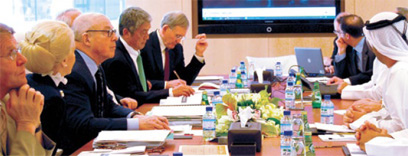 ENEC briefed the Board on its own plans for management of radioactive waste as part of operational activities. It noted that Shin Kori practices and processes will be implemented for waste pretreatment. For treatment and conditioning, ENEC will meet the UAE national policy by following FANR's regulations and requirements. As for the development of a UAE national waste policy, ENEC is working closely with MOFA and Ambassador Al Kaabi.
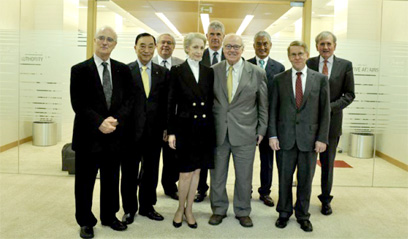 An important part of the national nuclear policy of the UAE is comprehensive operational transparency. FANR of course recognizes transparency as a core value. FANR held its first public forum in Madinat Zayed in the western region of the Emirate of Abu Dhabi. The objective of FANR's public forms is to engage with the public and ensure complete transparency through communication. The next public forums are planned for the town of Ghayathi, also in the western region of Abu Dhabi, then in the city of Abu Dhabi, followed by a presentation in Al Ain. In addition several "Meet the Regulator" workshops were held in Abu Dhabi and Dubai in November 2012.
 The Board praised the UAE nuclear entities for being responsive to the Board's inquiries and effectively addressing the initial issues that were raised during the previous Board meetings. These issues included: the development of the construction license, the lessons of Fukushima, cyber security, the threat of the impact of a large commercial airline, and the effect of sandstorms and dust storms. While many important issues remain to be addressed, the request for briefings at the sixth meeting will reflect the progress that has been made so far.
 Additional central issues addressed in detail by the assessment include the possible loss of safety functions such as electrical power systems, the ultimate heat sink, and offsite power. Severe accident management is also addressed.Thus, in Summary the basic review areas in the assessment are: earthquake; flooding; sandstorm, fire, explosions, oil spills, loss of electrical power and loss of ultimate heat sink, along with severe accident management.Furthermore, the IAB took a note that the UAE organizations are now working jointly on the preparation of a national Emergency Preparedness Response Plan.Lastly, ENEC indicated that it plans to add information to its Fukushima assessment on the pros and cons of the co-location of multiple reactors, an issue of interest to the Board for some time.
 ork is ongoing in UAE government agencies to assess options and support a timely policy decision - within approximately five years – on a national policy for radioactive waste. Pending this decision all options will be retained. Board members said during the briefing that the high-level waste and low and intermediate level waste issues should be disaggregated. An early decision on low and intermediate waste should be made soon, the Board recognized however that a decision on the long-term storage of high-level waste involves other issues and will take longer. ENEC reported that Shin-Kori (the reference nuclear power plant site in Korea) practices will be implemented for the process of the pre-treatment of low and intermediate level nuclear waste. For treatment and conditioning ENEC will follow relevant FANR regulations and will have initial storage capacity to hold at least 10 years of operational waste. The disposal, timing and type will depend on the UAE national policy on low to intermediate level nuclear waste.
 ENEC in its briefing indicated it was committed to communicating in a transparent manner to UAE residents, employees, government agencies and the international community concerning the UAE nuclear power program plans and activities. The "ENEC Forums" provide for residents to learn about the program and to ask any questions they wish about nuclear energy generally or ENEC's plans in particular. Six events have been held attracting some 1,400 people. Some of the questions asked include:
 Following the extensive briefings by the UAE entities, the Board held its normal deliberation and wrap-up discussion. There was an exchange of views on the project management system. In the view of the Board the critical path of the program and its milestones need to be fully described. Views were also exchanged on configuration management and its importance. The Board recommends that configuration management techniques and practices be introduced and utilized at the earliest time, if not already employed. All configuration changes should be documented and care should be taken to be sure that any such changes are made in all units. Of course, FANR must also approve any such changes.
 With respect to a direct earthquake danger, while historically there is considerable seismic activity in Iran, particularly along the Gulf coast, and a Fukushima grade event that occurred around 750 kilometres away at Makran (8.5 magnitude), there is little historical seismicity in the Gulf itself and virtually none on the Arabian shore. Thus, there would appear to be little threat of an earthquake to the Braka site.
 As indicated earlier in this Report the planned 6.5.meters elevation at the power block area is considered sufficient to protect against tsunamis as well as storm surge. Nevertheless, there is a plan under development for watertight doors for auxiliary buildings to increase the margin beyond design basis events. An important lesson of the Fukushima accident was the importance of a reliable electrical power supply, and strengthening power supply systems has been widely considered, taking into account the Braka site-related safety issues. There is an on-going review of the potential impact of sandstorms, dust storms, other dust events and dust haze on various design features. There is also an intensive and on-going assessment of the risk of complete station blackout (i.e., loss of both all off-site power and on-site power from emergency diesel generators of a plant unit. The existing current provisions for complete station blackout comprise two turbine driven auxiliary feed water pumps per plant unit and a common air cooled emergency diesel generator (AAC) serving the entire NPP. Plans for increasing plant robustness to address possible complete station black-out include: DC battery life extension (8 to 16 hours); emergency diesel generators cross-tie between different plant units via AAC cabling; AAC diesel fuel tank capacity increase (8 to 24 hours); and possible improvements in power supply protection against seismic and flooding events.
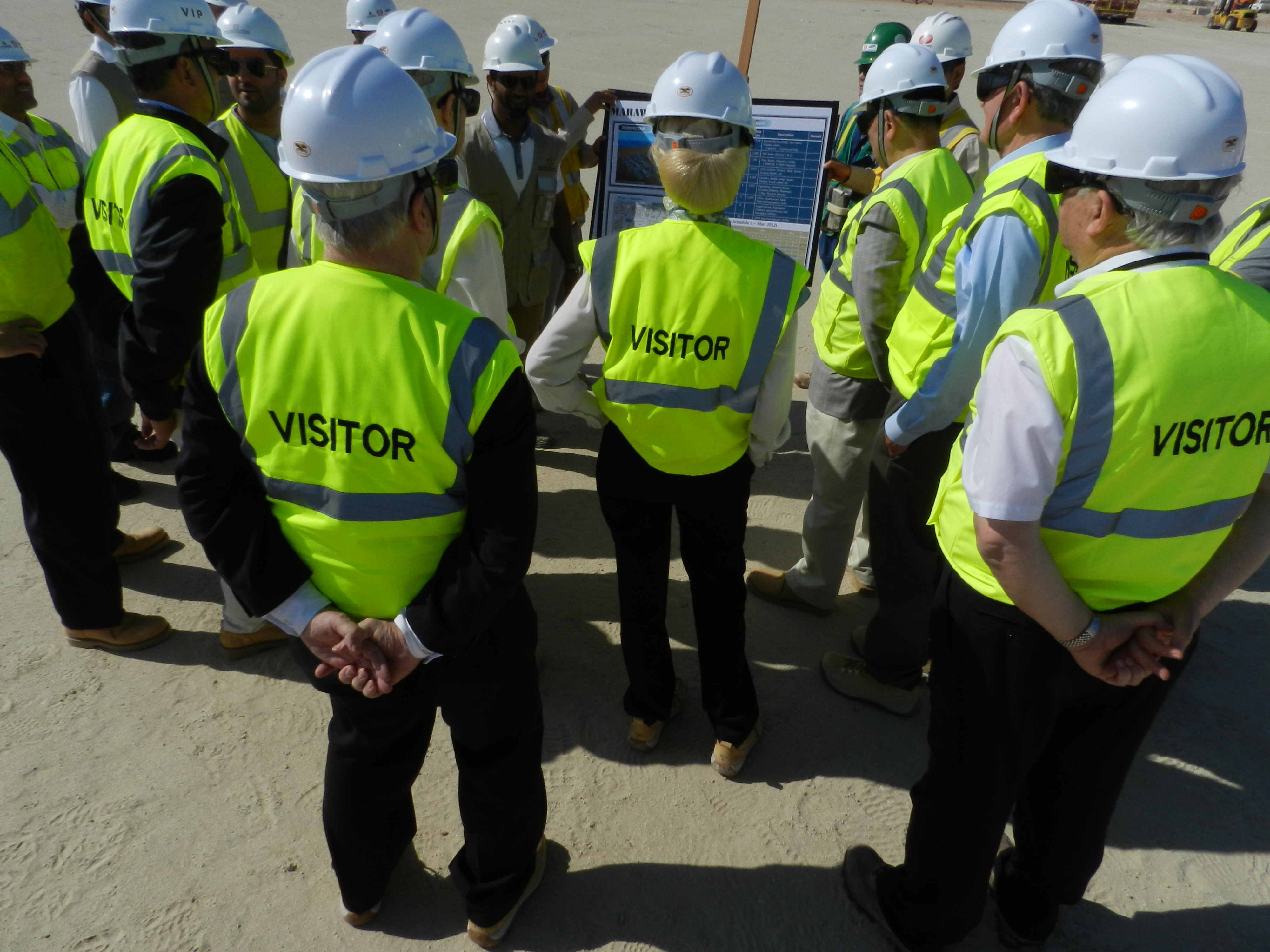 FANR indicated that it was about halfway through the 9,000 page application for a construction license at the Braka site. FANR said it uses Contractors to assist in the technical review of the application. Also, FANR utilizes safety evaluations performed by the Korean Institute for Nuclear Safety (KINS) as reference and has contracted external expert organizations to conduct independent safety analysis to verify the analysis submitted by KEPCO. As guidance for its own safety review and assessment FANR is using the Standard Review Plans of the US NRC. Furthermore some advice is received from the IAEA. However, any FANR regulatory judgments will be entirely its own. Thus far, 1,420 requests for additional information (RAI) have been issued to ENEC and there have been 1,170 responses by ENEC. Ninety-one of these FANR RAI's are related to site evaluation leading to the FANR judgments on such things as possible seismic, tsunami and storm surge threats referred to earlier in this Report. The Board would like to have a further report on progress toward the construction license at its next meeting.
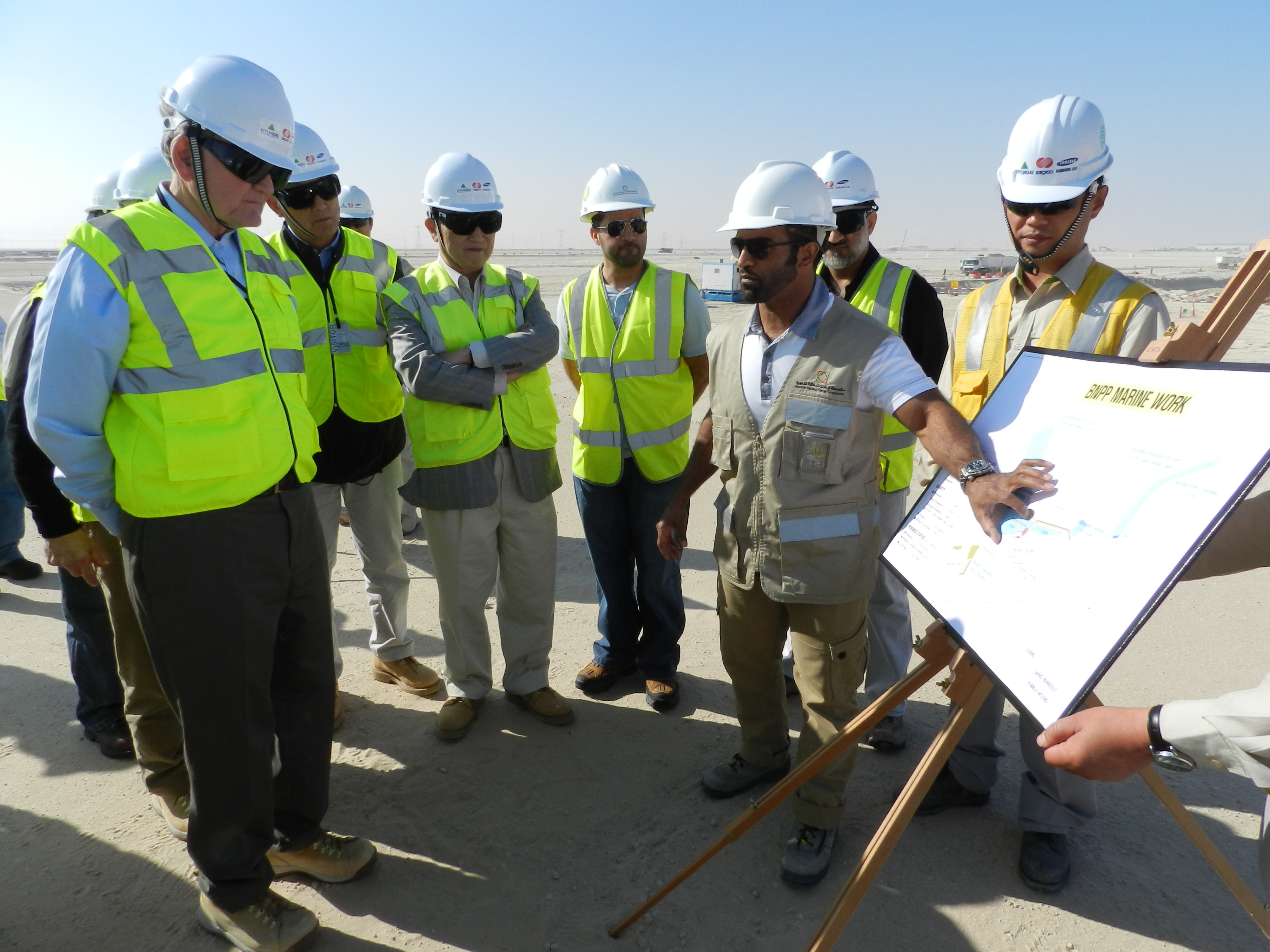 The UAE Federal Nuclear Law states that the government will issue a national strategy for the long term management of radioactive waste and spent fuel. The study began in February of 2011. Considerable progress has been achieved. The relevant study will be completed in May, 2012. All members were of the view that the development of a policy for management by the UAE of its high level waste is important. Ambassador Al Kaabi stated that he plans to brief the Board on the outcome of the UAE study after May, 2012.
 ENEC briefed the IAB on its staff retention program including corporate training, engineer training, and Senior Reactor Operator (SRO) training along with feeder programs to find highly qualified individuals. A pilot program exists for Emiratis who wish to be SRO trainees. This program, to consist of 12 trainees, is conducted by ENEC in cooperation with KEPCO. A contract has been signed with Westinghouse to conduct a SRO equivalency course. Abu Dhabi Polytechnic began its higher diploma in nuclear technology course in September, 2011 with 39 students. There are also scholarships to study abroad for BS and MS degrees involving some 131 students, fifteen of whom are females. SRO bonuses are planned with additional compensation and a shorter work schedule for those who work at the Braka site. ENEC understands that long-term staff retention is an important issue. There will continue to be considerable emphasis on as high a percentage of Emiratis as possible (recognizing that some international personnel will need to be retained long term) and a significant percentage of female employees. The UAE nuclear power program will require a maximum commitment by the UAE to its human capital needs.
 Site selection and risk evaluation of the site;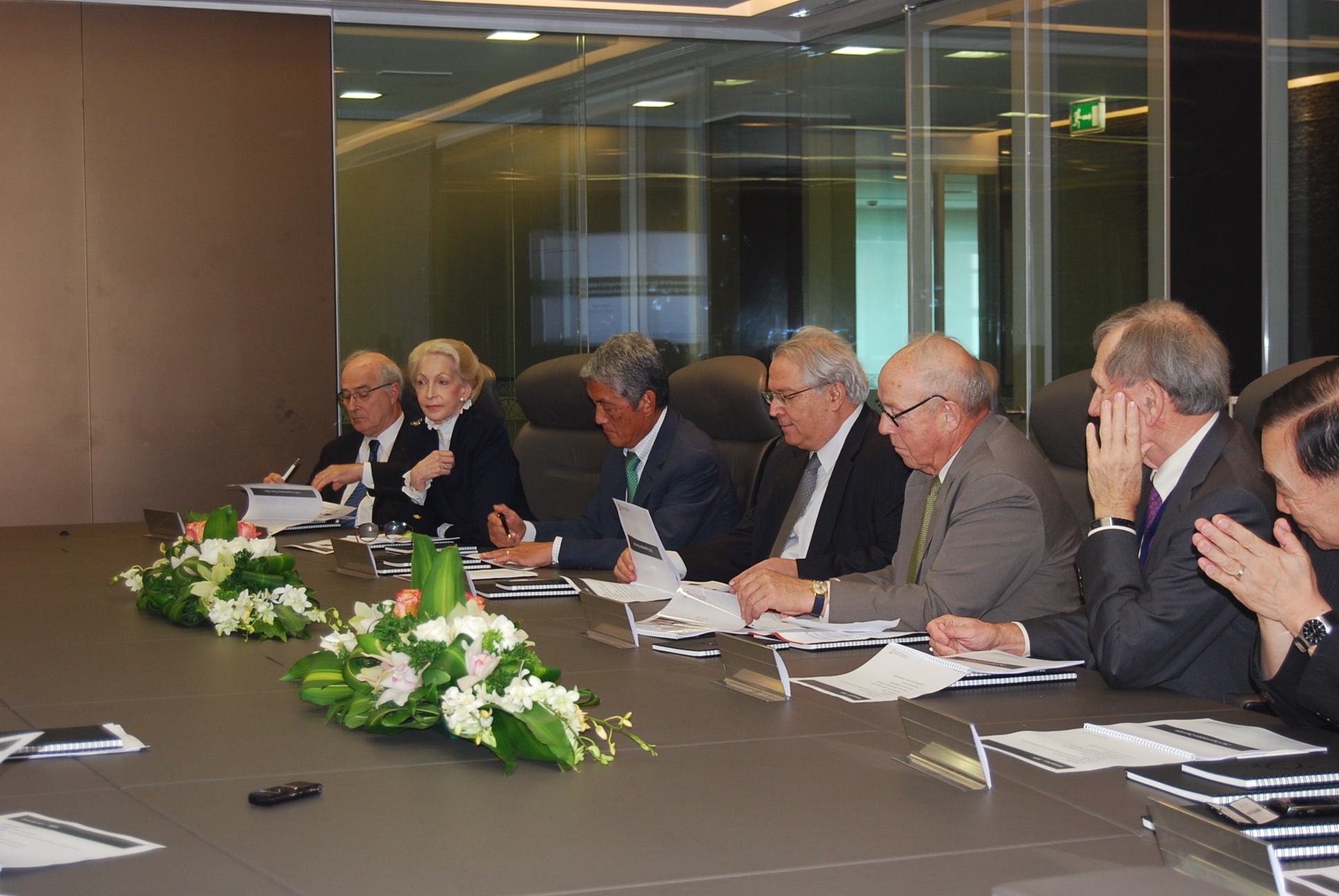
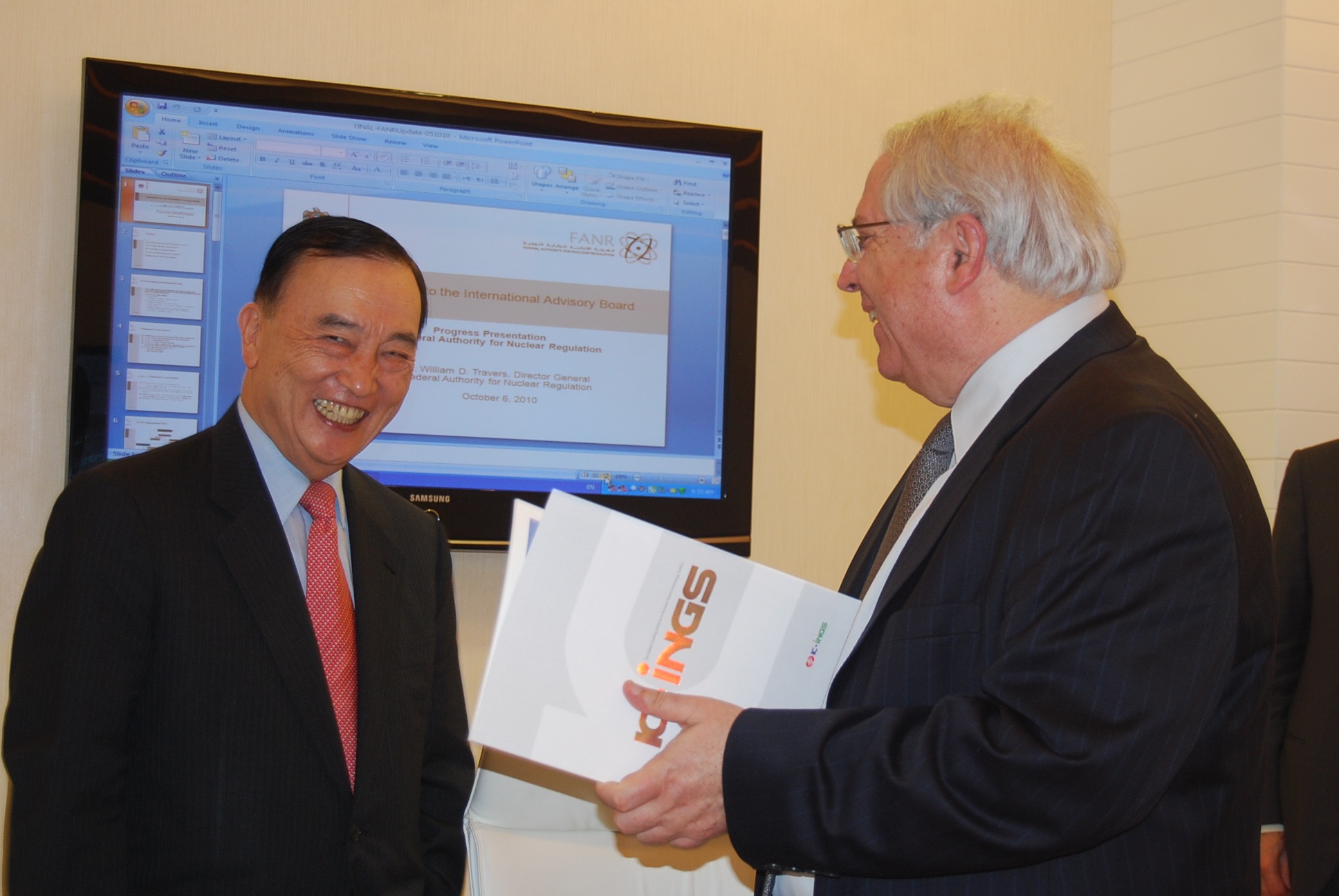 In addition there were specific agenda items requested for the March meeting. The Board asked for a review of required resource development corresponding to the needs, a detailed plan as to how best to source staff requirements, including a reconciliation of the interaction of the need base demand curve with the supply curve. The Board also wished to hear Khalifa University's view on the development of a training centre to give students practical experience as well as plans to develop nuclear research capabilities and how best to mobilize educational training capacity. In its briefing ENEC did a thorough job in responding to the various Board requests. First, on the subject of the fuel cycle. ENEC in its briefing advised the IAB that its prime contract with KEPCO provides for provision of nuclear fuel for the initial core with an option for two reloads for each nuclear power plant. ENEC is in the process of negotiating long-term contracts for uranium beyond this guaranteed period. ENEC will manage its strategic inventory at the fuel fabricator and with finished fuel assemblies at the reactor site. In addition ENEC is considering two options: working with KEPCO under a FANR license to build a fuel assembly plant in Abu Dhabi to address the risk of supply interruption and working with multiple fuel fabricators to create alternative supplies.
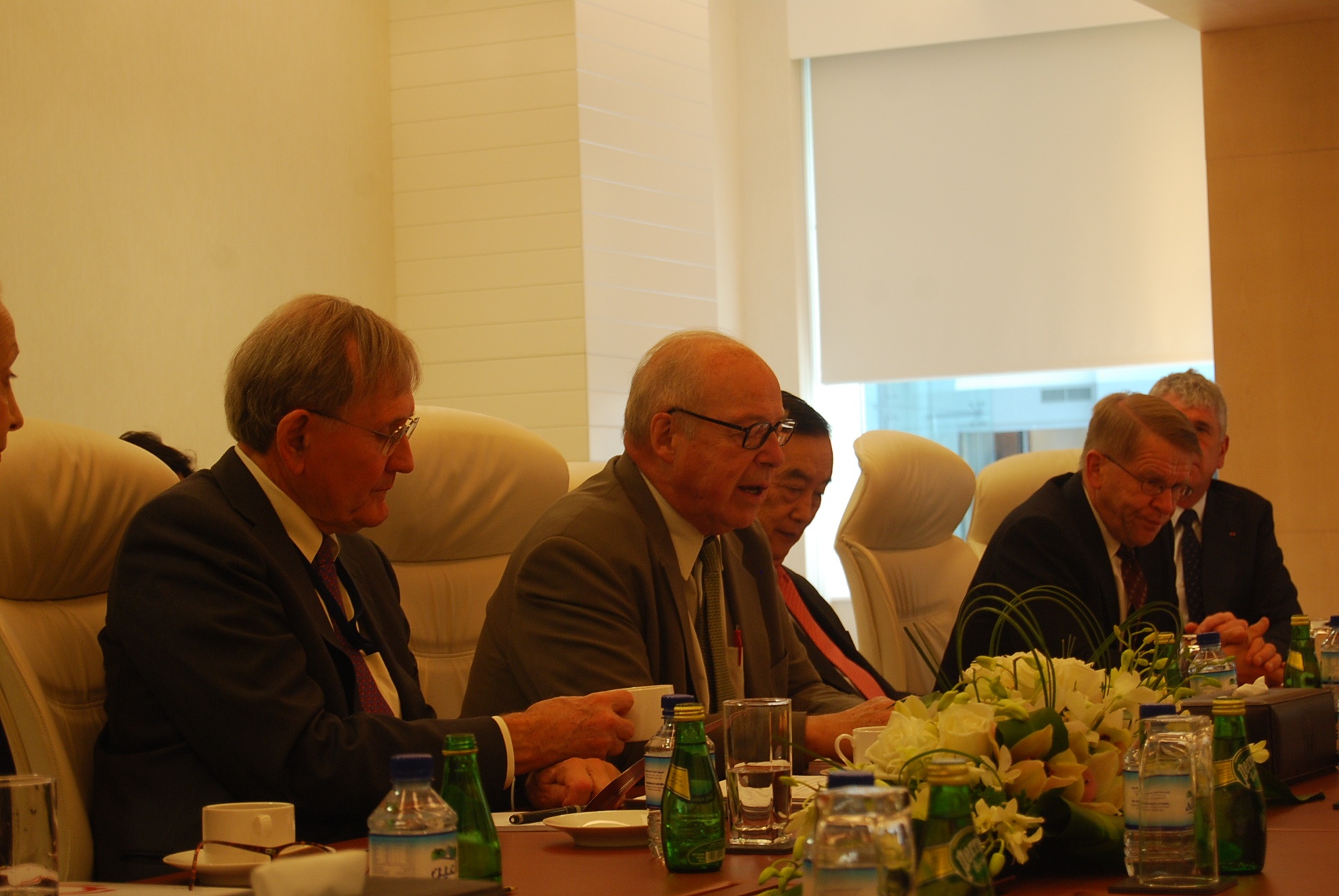 This is the second report by the Board under the mandate set forth by the Government of the United Arab Emirates in the white paper entitled "The Policy of the United Arab Emirates on the Evaluation and Potential Development of Peaceful Nuclear Energy." Identifying nuclear safety and security as indispensable elements in any nuclear power program, the government determined to establish an independent regulatory body responsible for developing and enforcing legally binding standards and regulations designed to achieve the highest standards of nuclear safety and security – the Federal Authority for Nuclear Regulation (FANR). In addition, in order to make safety, security, non-proliferation, transparency and cooperation with governments and companies of responsible states essential parts of its operations, the Government established the Emirates Nuclear Energy Corporation (ENEC) to manage its nuclear power program.
 ENEC and FANR have made significant efforts on the first and second recommendations. The Board found that the information presented on these recommendations most valuable but would like to learn more about operational safety at the next Board meeting. Regarding recommendation three, concerning filing of design documents and safety analysis, the Board noted the tentative character of the present filing procedures and the quantitative rather than qualitative safety requirements established. The Board considers these agenda items still open and a further presentation at the next Board meeting should be planned. With respect to recommendation four, the Board notes that while full-time participation is desirable for members of the FANR Board of Management there should be some flexibility so as not to lose members who have other valuable and relevant responsibilities. In addition, the IAB believes that FANR should actively be looking for and communicating to relevant agencies of the government, as well as to its Board any "show stoppers" that it may perceive. The IAB considers this agenda point open and would like to hear a presentation on the subject from FANR at its next meeting.On recommendation five regarding further in-house engineering capabilities, no progress has been noted and the issue thus remains open and still before the Board.
 The Board was pleased with the presentations on this subject by the Ministry of Foreign Affairs as well as by FANR and ENEC. Nevertheless, the Board would like to have regular updates on progress on the full implementation of relevant international agreements as well as the Additional Protocol and on the evaluation of the legislative framework for nuclear export and import control. Accordingly, the Board considers these to be open items.
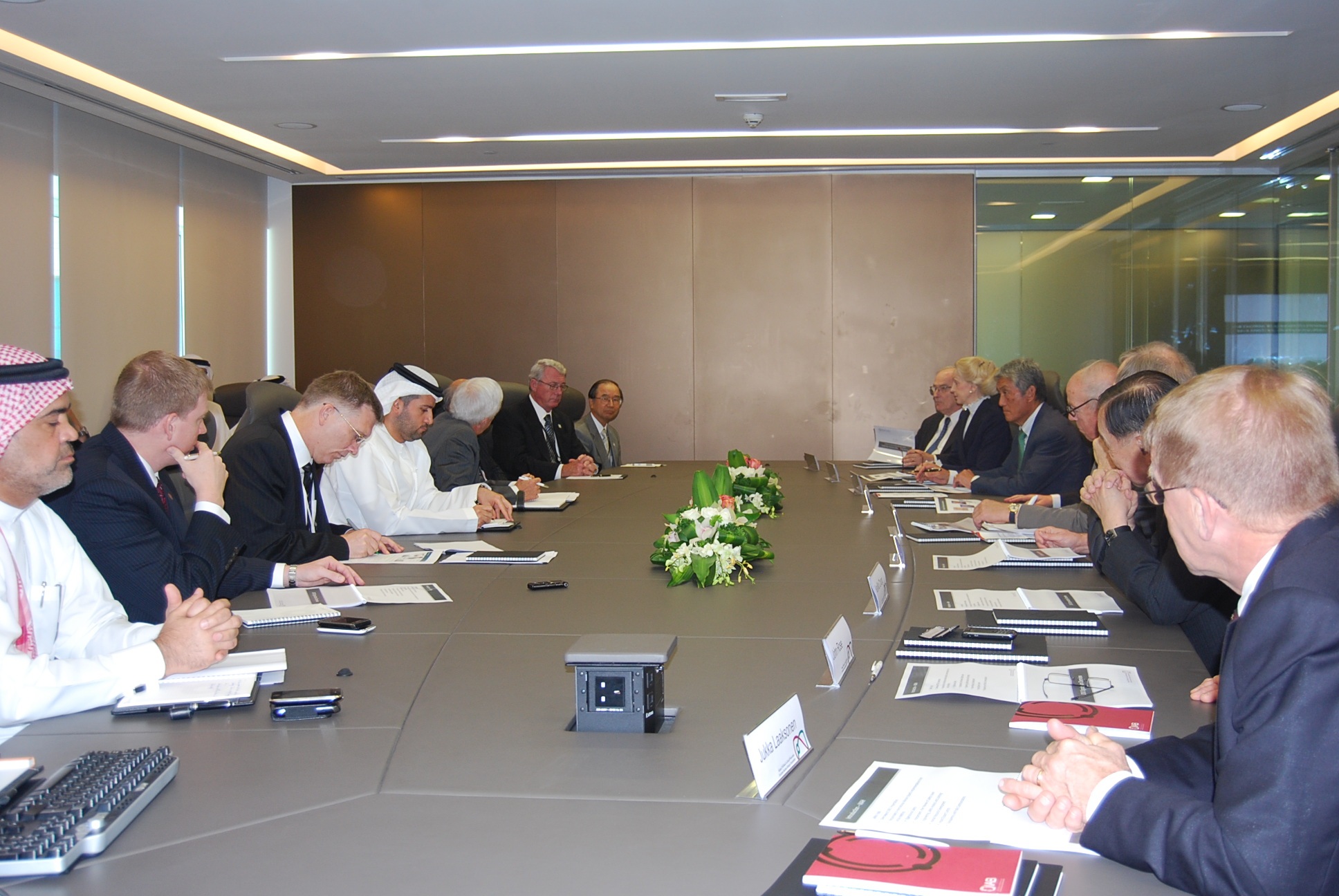 Noting that, at the time of its first meeting, the proposed location of the UAE's first nuclear power plant had not been announced, the IAB recommended that ENEC develop a comprehensive public awareness program to target the population around the site of the nuclear power plant, including the general public, neighbouring countries and international communities. The IAB suggested that the program should be based on prior research about the attitudes, opinions and level of knowledge of the intended audience and it should describe the need for nuclear energy in terms of its economic feasibility, its contribution to energy independence and how it aligns with the nation's development goals. The public awareness program should provide a clear understanding of the risks to health and safety and means and actions taken to manage those risks.
 The Board notes progress in the development of a nuclear liability regime consistent with international standards but would like to learn more on this subject at its next meeting. The Board did not however note action on its four other recommendations. Accordingly, the Board would like to have an in depth presentation by ENEC, assisted as appropriate by KUSTAR, on plans to expand its human resource capabilities in the area of research in the technical sciences relevant to nuclear safety; methods for securing long term fuel suppliers, arrangments for decommissioning of nuclear facilities, and the management spent fuel and other nuclear waste (to include the disposition of plutonium as relevant); and a program to consider potential alterative fuel suppliers that exhibit enhanced proliferation resistance over traditional uranium-oxide fuels.
 The International Advisory Board (IAB) views safety as a top priority in the development of the UAE nuclear energy program. Board members were heartened to find that the UAE government has thoroughly reviewed the safety requirements needed for embarking on its peaceful civil nuclear energy program. As a first step, the government issued a white paper entitled "The Policy of the United Arab Emirates on the Evaluation and Potential Development of Peaceful Nuclear Energy", which focused on nuclear safety as an indispensible element in the development of the UAE nuclear sector. Subsequently, the UAE government initiated steps to establish a competent, independent regulatory authority to develop and enforce comprehensive safety regulations and standards to govern planning, design, construction, operation & maintenance, management and decommissioning of nuclear facilities, as well as the use, handling and storage of nuclear fissile, fertile and radioactive materials. Under this emerging regulatory environment the UAE government's goal appears to be to hold nuclear operations within its borders to the highest international standards for nuclear safety and security. This presumes that both the regulator and operators understand their responsibilities for nuclear safety, with the regulator providing safety regulation and guidance and the operator implementing the necessary programs to ensure that the plants operate well within that safety guidance. Looking beyond the borders of the UAE, the government has entered into a range of international instruments and agreements related to nuclear safety.
 The UAE has already taken several steps with respect to nuclear security. As previously discussed, the government established FANR to plan and implement a program of nuclear regulation in the area of nuclear security including the physical protection of nuclear facilities and the use, storage and transport of radioactive and nuclear materials. The government also supported the creation of a dedicated group within the already existing Critical National Infrastructure Authority (CNIA) with primary responsibility for the implementation of nuclear security. Together these two entities developed a preliminary Integrated Security Master Plan that reflected the UAE's emerging security related regulatory requirements as well as the IAEA Nuclear Security Guidelines. For example, some components of the preliminary Integrated Security Master Plan included performance background investigations and the issuance of security clearances to individuals working in sensitive roles within the nuclear sector to ensure the reliability of operational personnel. Other components included the establishment of large exclusionary and non-development zones around the proposed sites for future nuclear power plants, as well as the development of internal access controls to protect sensitive areas within any future nuclear facility and the development of a design basis threat following rigorous assessment of potential threats against nuclear facilities established in the UAE. Additionally, the UAE government supports and complies with numerous international nuclear security related agreements including the UN Security Council Resolution 1540, the UN Security Council Resolution 1373 and the International Convention for the Suppression of Acts of Nuclear Terrorism.
 Following the publication of the UAE Nuclear White Paper, the UAE government took several additional and tangible steps to achieve a high degree of transparency in its program. First, the government has directed all entities within the sector to cooperate closely with the IAEA in all aspects of the UAE nuclear program. Second, the government established FANR as a fully independent body, with its own long-term funding sources and significant protections for regulatory staff to ensure that they could face no adverse actions as a result of a regulatory decision. Third, ENEC's procurement process was designed to allow for joint venture arrangements with foreign investors, which would provide them, not only the opportunity to own equity in future UAE nuclear plants, but would also have a strong operator role. Such a structure would be necessary to provide those foreign partners unfettered access to information regarding the manner in which the plants were constructed and operated. Fourth, the government agreed on the Additional Protocol to its Comprehensive Safeguards Agreement with the IAEA. Finally, the UAE established the International Advisory Board, the entity developing and publishing this report to both review the status of the UAE nuclear energy program and to publish its findings to the public. Together, these steps ensure an unprecedented level of transparency, providing the world with an unobstructed window into the establishment and operation of the UAE's emerging nuclear sector.
 The UAE government has committed to approach its peaceful nuclear energy program in a manner that best ensures long-term sustainability. In order to sustain the nuclear energy program, the UAE government recognizes that it must develop essential nuclear capabilities within the national labor force and particularly among the UAE citizens. To this end, the government has put into force several dedicated training and educational programs, including specialized scholarships and advancement opportunities to ensure that national talent will be capable of fully meeting future staffing requirements of the nuclear program. At the time of its first meeting the IAB learned that FANR and ENEC in association with Khalifa University of Science, Technology and Research (KUSTAR) had granted scholarships to 40 students to study nuclear-related disciplines in a number of distinguished universities in the United States, United Kingdom, France and the Republic of Korea.